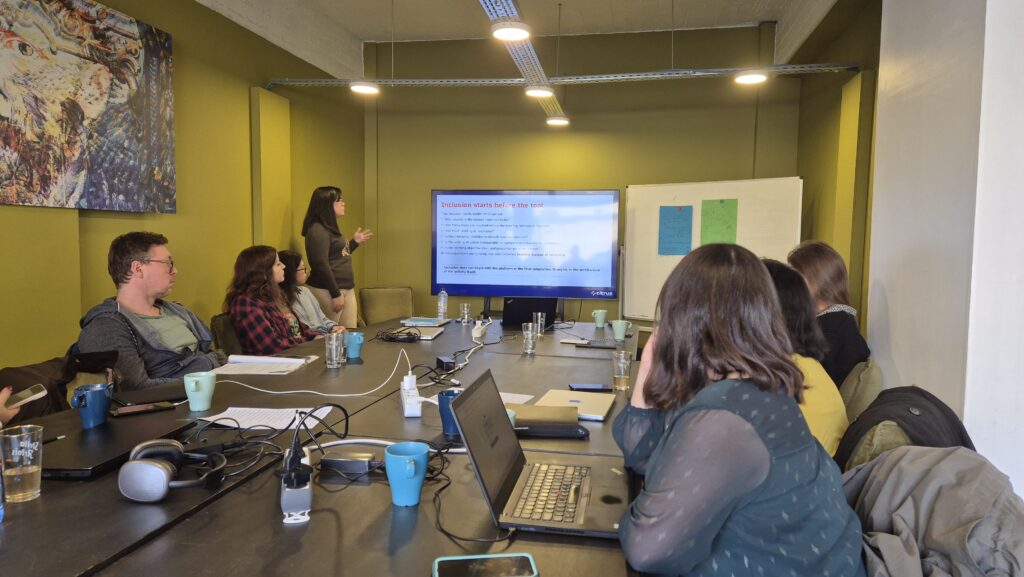
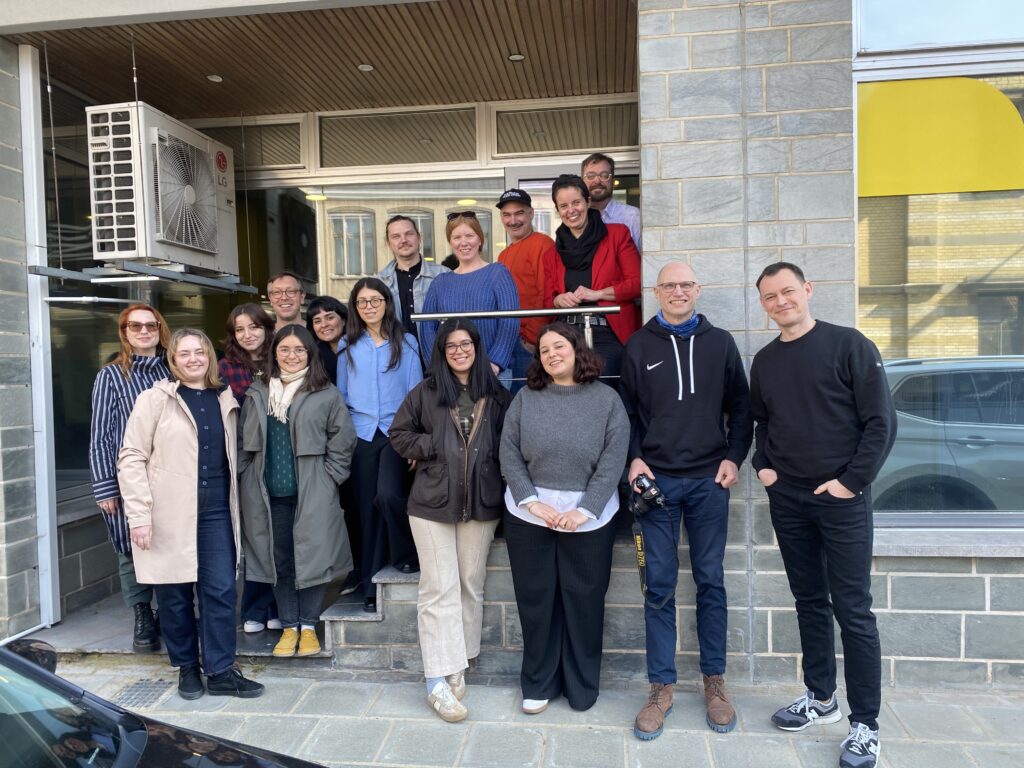
On 19 and 20 March 2026, partners of the CITRUS project gathered in Mons, Belgium, for a two-day training focused on designing inclusive and accessible civic education for adults with reading difficulties.
The training brought together educators and practitioners to explore how civic education can become more accessible, meaningful and participatory, especially for adults facing barriers related to literacy, migration and educational access.
Across the two days, participants engaged with key topics such as:
- Civic education in non-formal learning contexts and its role in fostering participation and belonging
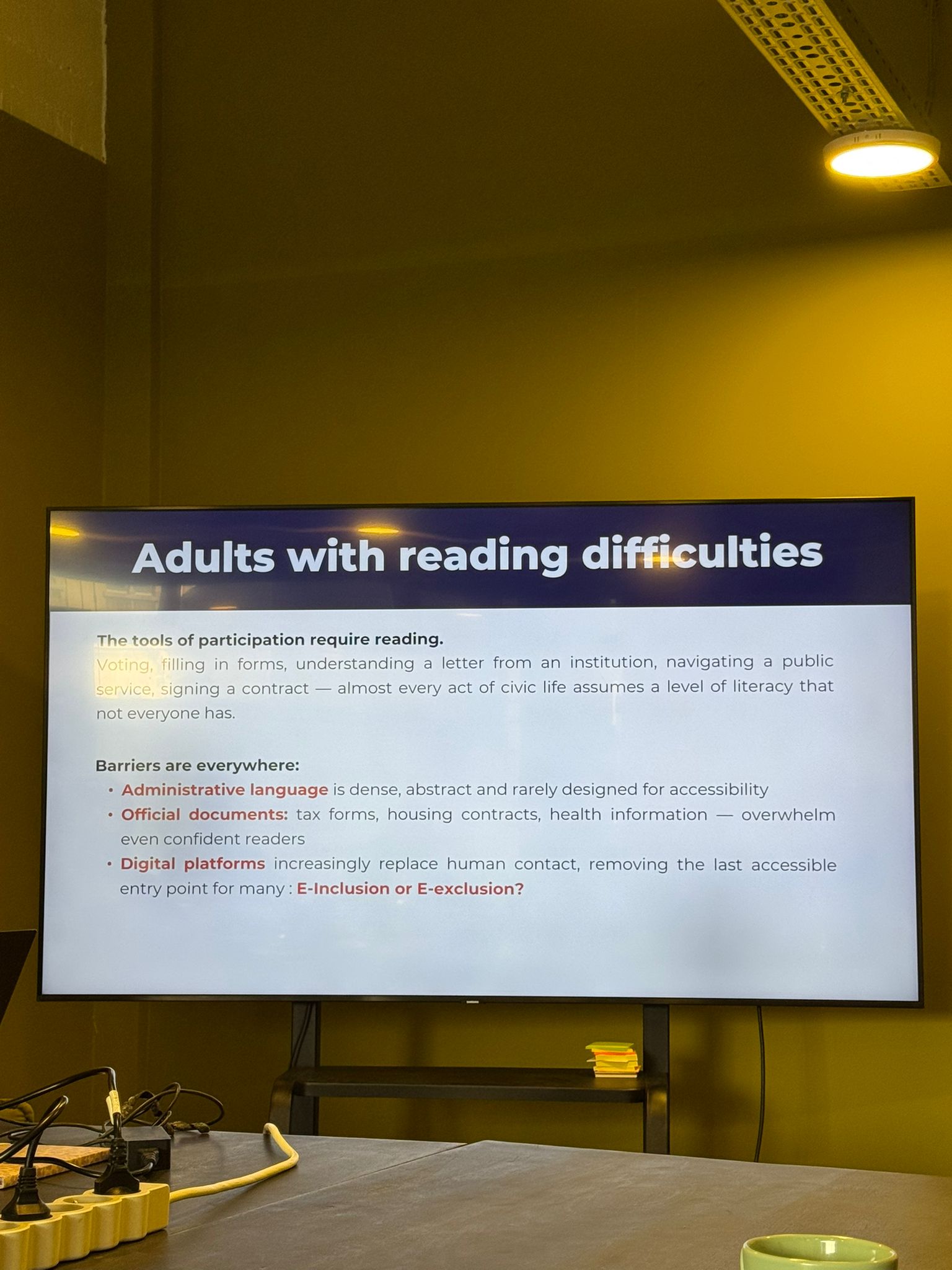
- Understanding reading difficulties and their impact on confidence, motivation and participation in learning environments
- Inclusive and accessible design principles, including plain language, cognitive accessibility and multimodal approaches
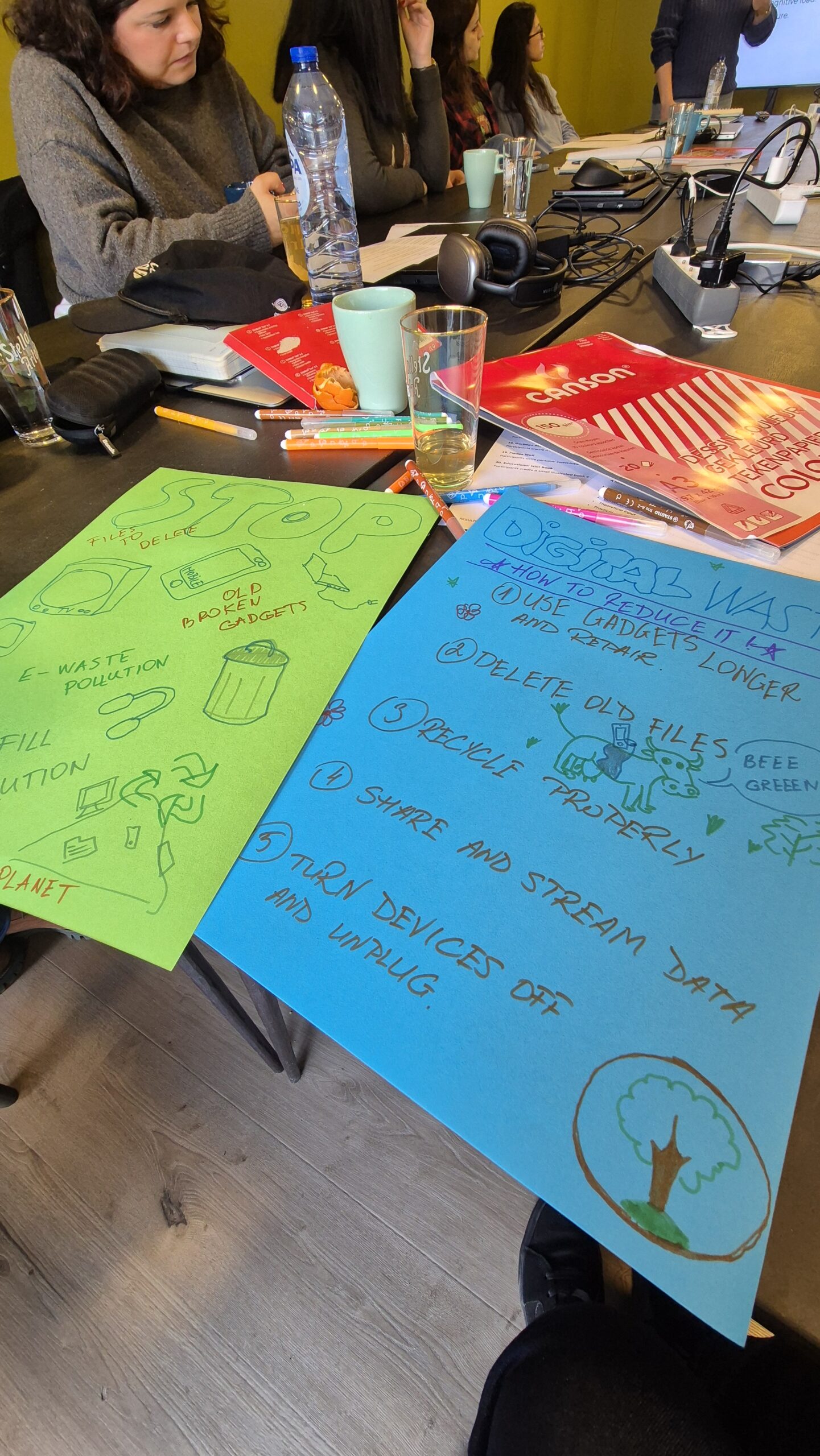
- Practical methodologies for inclusive learning, such as art-based, experiential, scaffolded and dialogic approaches
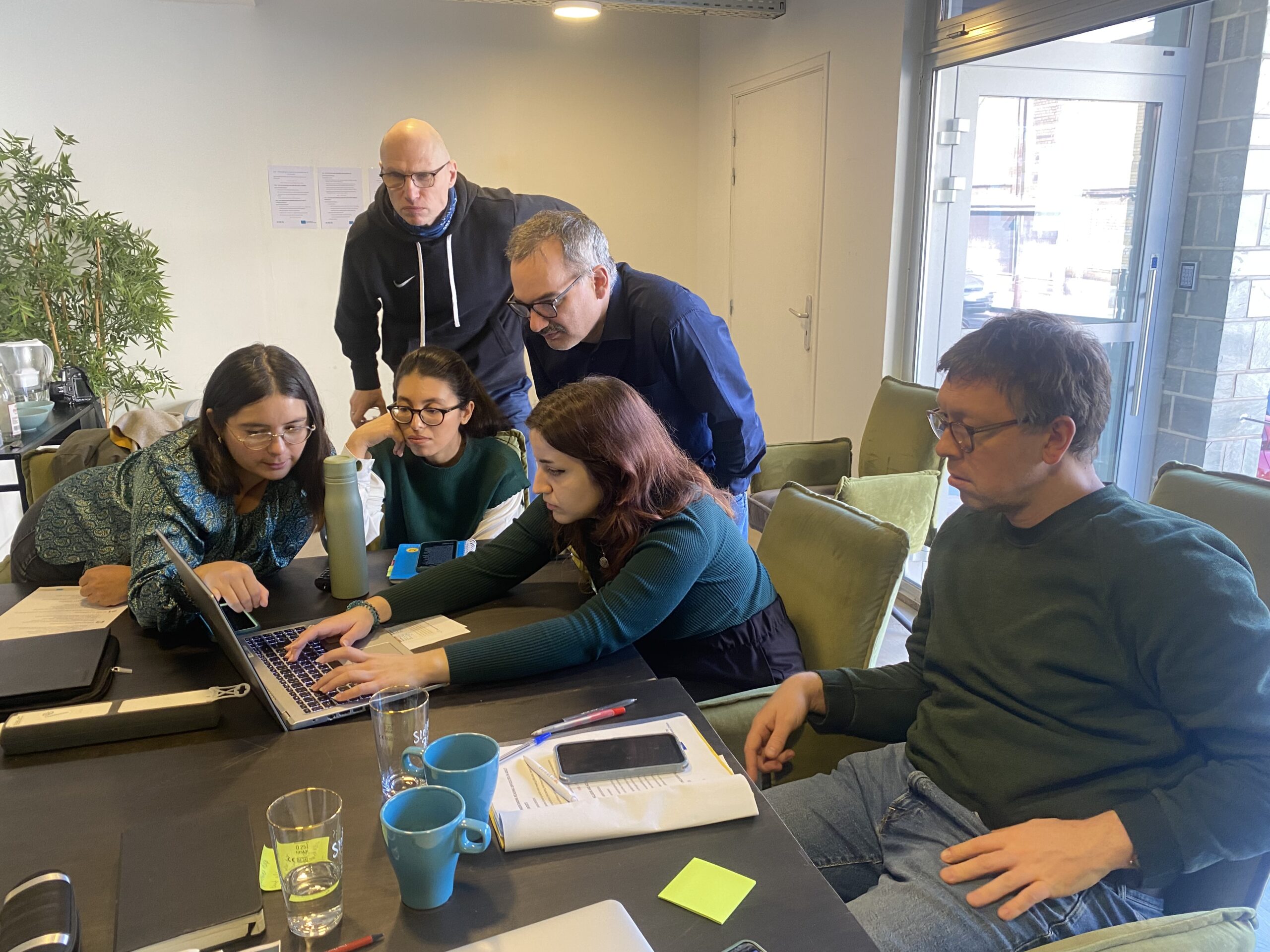
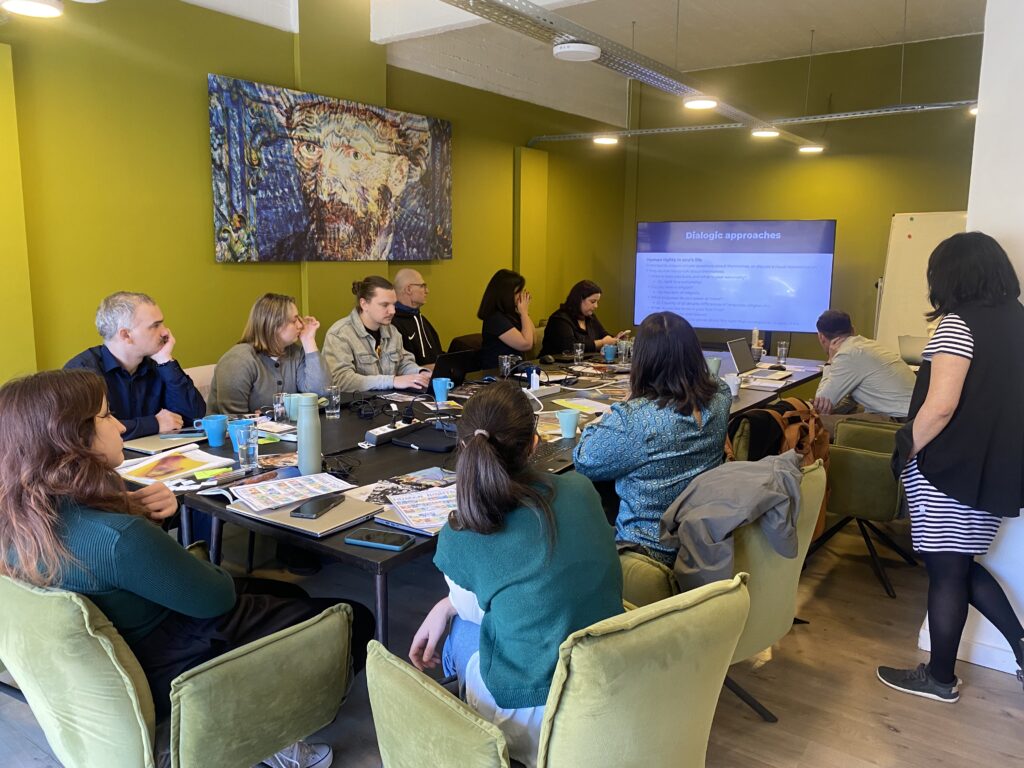
The sessions combined theoretical input with hands-on activities, allowing participants to analyse real cases, identify barriers in existing educational practices, and redesign activities using inclusive principles.
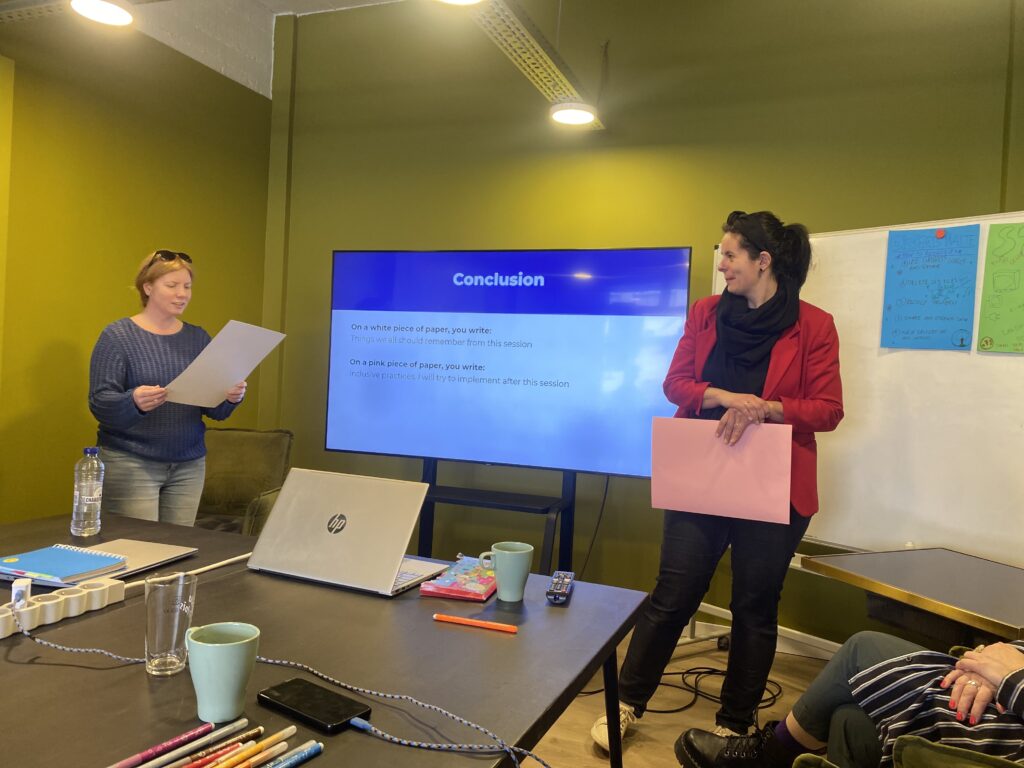
On the second day, the focus shifted towards application. Participants worked collaboratively to adapt their own educational practices and to design new inclusive civic education activities, integrating artistic processes and non-formal learning strategies.
Beyond the training itself, the mobility also created space for exchange and dialogue between partners. Conversations extended into the artistic dimension of the project, including reflections on the selection of artistic works that will be part of CITRUS. Each partner had the opportunity to present the works they had in mind or already in progress, and to collectively discuss the strengths and challenges of each proposal. This process was further enriched by feedback from the app development team, helping to identify which ideas were most viable and relevant for integration into the project.
This mobility marked an important step in strengthening a shared methodology grounded in accessibility, participation and cultural sensitivity, reinforcing the role of art and non-formal education as powerful tools for civic engagement.